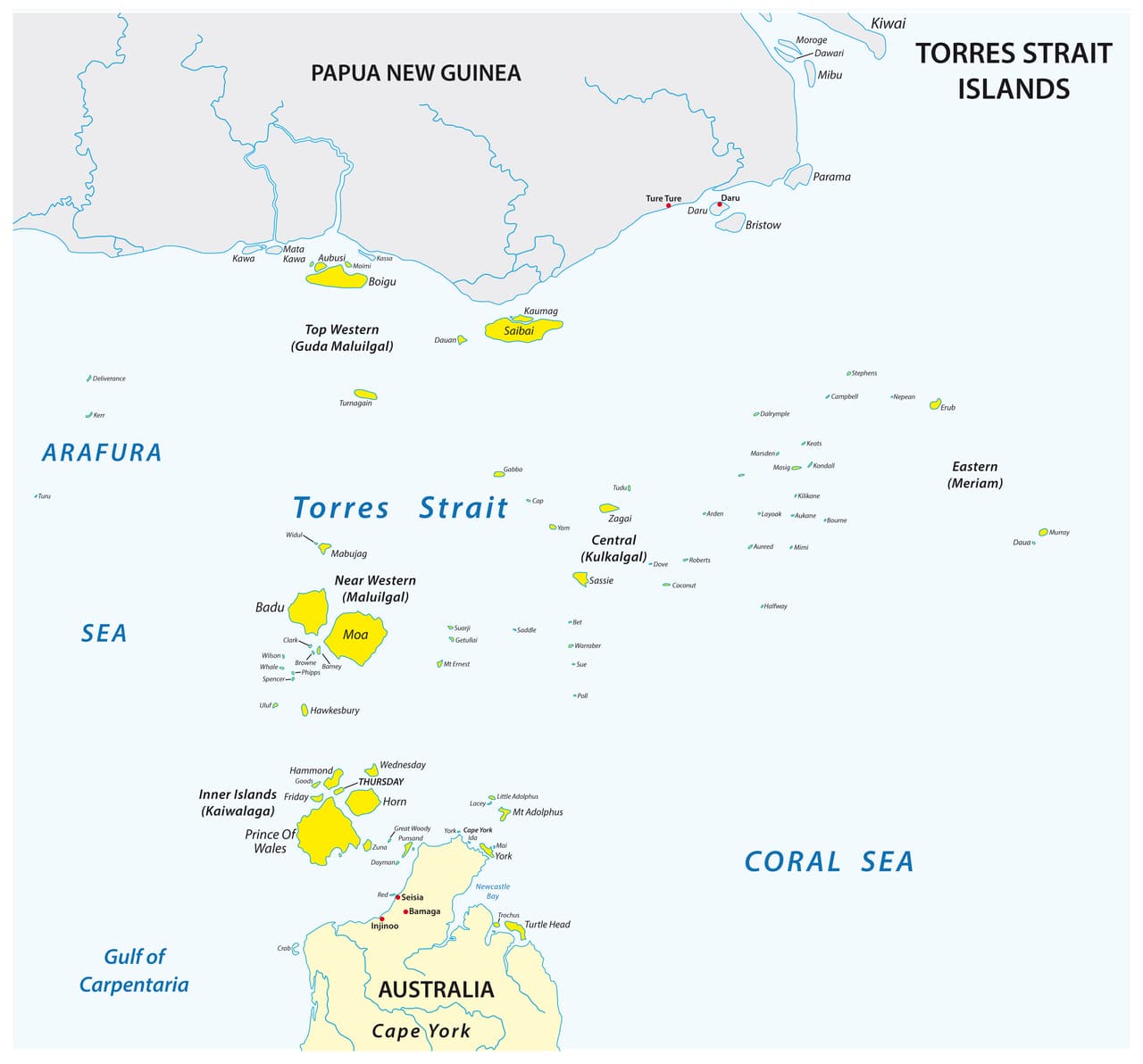
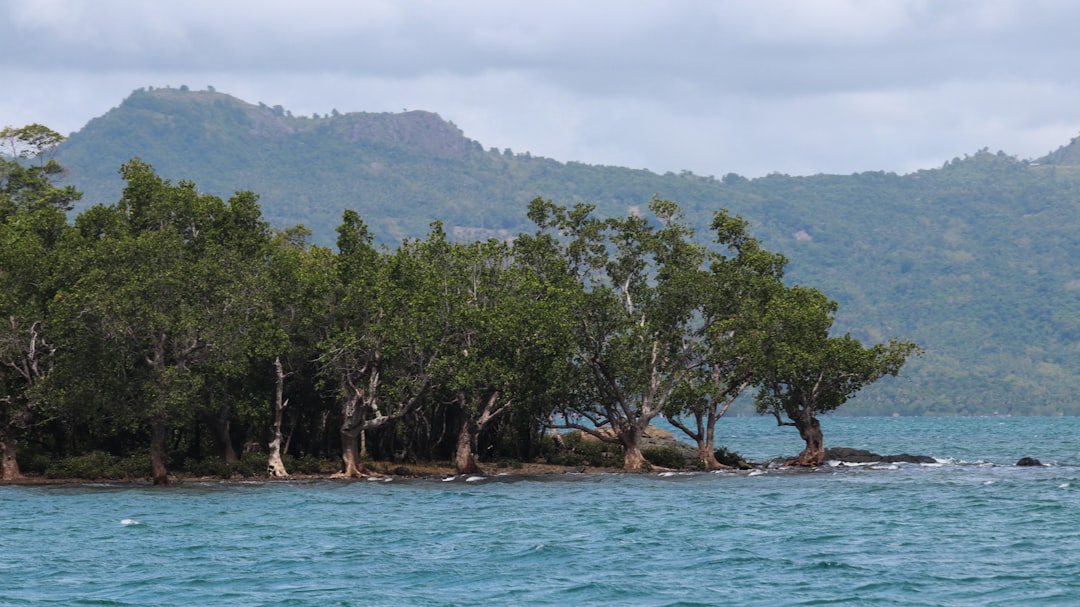
Climate change is no longer an abstract threat in the Torres Strait; it is a daily reality reshaping lives, land, and culture. Islands are being swallowed by the sea, sacred places are lost, and families face the prospect of leaving ancestral homelands where their people have lived for thousands of years. This is not a story of a distant future—it is happening now, and the Torres Strait has become a frontline for the human consequences of climate inaction.
It is within this context that a group of Torres Strait Islanders brought their case to the United Nations, seeking recognition that the loss of land, culture, and security caused by rising seas is not only an environmental issue but a violation of fundamental human rights. Their petition, and the subsequent ruling, has become a landmark moment in international law, demonstrating that climate change must be addressed not only as an ecological crisis but as a matter of justice and dignity.
The case, known as Daniel Billy and Others v. Australia , was brought by eight Torres Strait Islanders who argued that Australia’s failure to act on climate change was violating their rights under the International Covenant on Civil and Political Rights (ICCPR) . They argued that rising sea levels, coastal erosion, and extreme weather events were destroying homes, cultural sites, and traditional ways of life. The UN Human Rights Committee agreed, finding that Australia had violated Article 17 (protection from arbitrary interference with privacy, family, and home) and Article 27 (the rights of minorities to enjoy and practice their culture).
This was a groundbreaking decision: one of the first times in history that a country was held responsible for human rights violations due to inadequate climate action. The Committee called on Australia to provide remedies—reparations to individuals, compensation for harm suffered, and meaningful consultation with communities to ensure their continued safe existence on their islands.
Behind these legal arguments are lived realities. Warrior (Tudu) Island has already been abandoned, its graves consumed by the sea. On Boigu Island , sacred sites where ceremonies were held for thousands of years are now underwater. Saibai Island , rising barely a metre above sea level, remembers the devastating king tides of 1947, when homes and wells were destroyed, forcing families to resettle on the mainland and establish Bamaga. These stories are not history—they are still unfolding, as higher tides, stronger storms, and saltwater intrusion continue to disrupt daily life.
The Islanders’ case also gave rise to the “Our Islands, Our Home” campaign , a grassroots movement calling for stronger climate action and protection of Torres Strait communities. This campaign has amplified their voices globally, reminding the world that climate justice is inseparable from cultural survival.
What strikes me most is that this story is not just theirs—it belongs to all of us. The Torres Strait Islanders stand on the edge of the world, bearing the costs of choices made far beyond their islands. Their leadership, grounded in culture and resilience, points us toward solutions rooted in care, reciprocity, and respect for the living systems that sustain us all.
When I reflect on this, I am reminded that the work ahead is not optional—it is a shared responsibility. The Torres Strait teaches us that climate change is not only about science or policy—it is about people, homes, stories, and the deep connection between culture and country. Their fight at the United Nations is both a warning and a gift: a warning of what is at stake, and a gift of knowledge and leadership that can guide us all in navigating this unprecedented time.
For me, this case underscores what I already feel: this work belongs to all of us. Climate change is not someone else’s problem, or something that can be managed with technical fixes alone. It is about people, culture, and place. It’s about ensuring communities not only survive but thrive, and that they do so on their own terms.
The solutions must come from the right voices: those with authority, those with expertise, and those not often heard.
The Torres Strait case at the UN is a reminder of what’s at stake and a call to action for all of us. The people of these islands are not just warning us of what is coming—they are leading the way in showing us how to respond with courage, clarity, and care.